
The Iranian war: The geopolitical consequences
On February 28, a joint US-Israel declaration of war was raised against Iran, with the intent of instigating regime change. The opening strikes in Tehran and other Iranian strategic sites have undoubtedly been regime crippling so far, with over 2,000 independent strikes conducted by the US and Israel within the first two days alone. Notably, Iran’s Supreme Leader, Ayatollah Ali Khamenei, was killed in a targeted strike within the opening hours of the war.
The magnitude of geopolitical risk is materially higher in contrast to the prior attack levied on Iran last year. During the 12-day war, Israel had mostly kept their attacks on Iranian proxies. Now, following the killing of Iran’s Supreme Leader, the nation’s governing body may be proverbially backed into a corner. The autocratic leadership of Iran are faced externally with an unavoidable war against the US and Israel, and the internal potential of an uprising as the Iranian public again seize the moment for revolt.
The Iranian military’s reaction so far includes attacks on regional energy infrastructure, including Saudi Aramco’s Ras Tanura refinery and QatarEnergy’s Ras Laffan LNG plant. A fuel tank in Oman and the UAE’s Fujairah Oil Hub was also hit. US military bases have also been directly targeted, with the debris from intercepted strikes causing collateral damage in civilian areas such as Dubai.
The Strait of Hormuz: An economic flashpoint

Figure 1 – Around 20% of global petroleum flows through the Strait of Hormuz
The Strait of Hormuz is a narrow waterway between Iran and Oman, connecting the Persian Gulf to the Arabian Sea. It is the world’s most critical oil transit chokepoint, with roughly 20% of global oil supplies passing through it daily. At its narrowest point, the strait is only about 21 miles (34 km) wide, with shipping lanes just two miles wide in each direction. Given their strategic positioning, Iranian forces can effectively block the strait at will – see Figure 1. So far, Iran does not appear to have wholly blocked the waterway, but transit has still been halted due to fear and insurance requirements.
If the conflict between Iran and the US-Israel collaboration is not deescalated in the short-term, a consequential multi-month closure of the Strait is a probable risk. This will require major infrastructure and military adjustments to reroute global energy flows.
The OECD and China currently have large inventories of oil supply. Alongside crude oil already on water, this excess oil supply should suffice to offset a closure of the strait for 6 to 8 months. OPEC’s spare capacity would also normally help, but most of it would be stranded in the Persian Gulf, behind the Strait. Regardless, the implication of the closure will almost certainly lead to oil prices spiking significantly higher.
The global economic consequence
1. Europe:
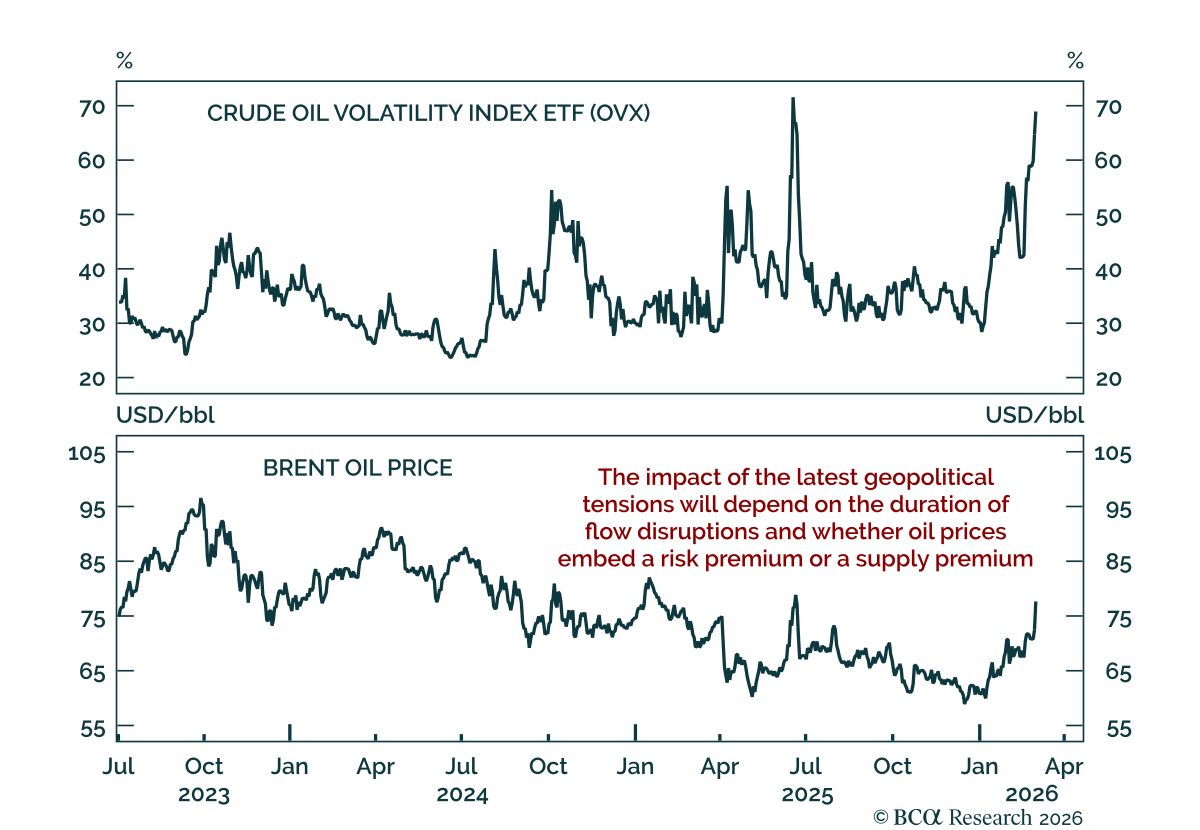
Figure 2 – Oil has been on an upward trend since the war broke out
Relative to the shale-heavy US, Europe is relatively more vulnerable to rising energy prices. With inflation running near or slightly below target, the region was tentatively on a stable economic path. However, natural gas is a critical input across European industry, and prices surged more than 30% on Monday, alongside Qatar’s decision to halt LNG exports.
Should deescalation fail to materialise, the supply shock would represent a significant headwind to the European growth outlook, given the trajectory of oil volatility already – see Figure 2. Conversely, a resolution would likely return the ECB to its path of insurance cuts, given that inflationary pressures outside of energy remain subdued.
European equity markets have been under significant pressure since Monday’s market open.
2. The US:
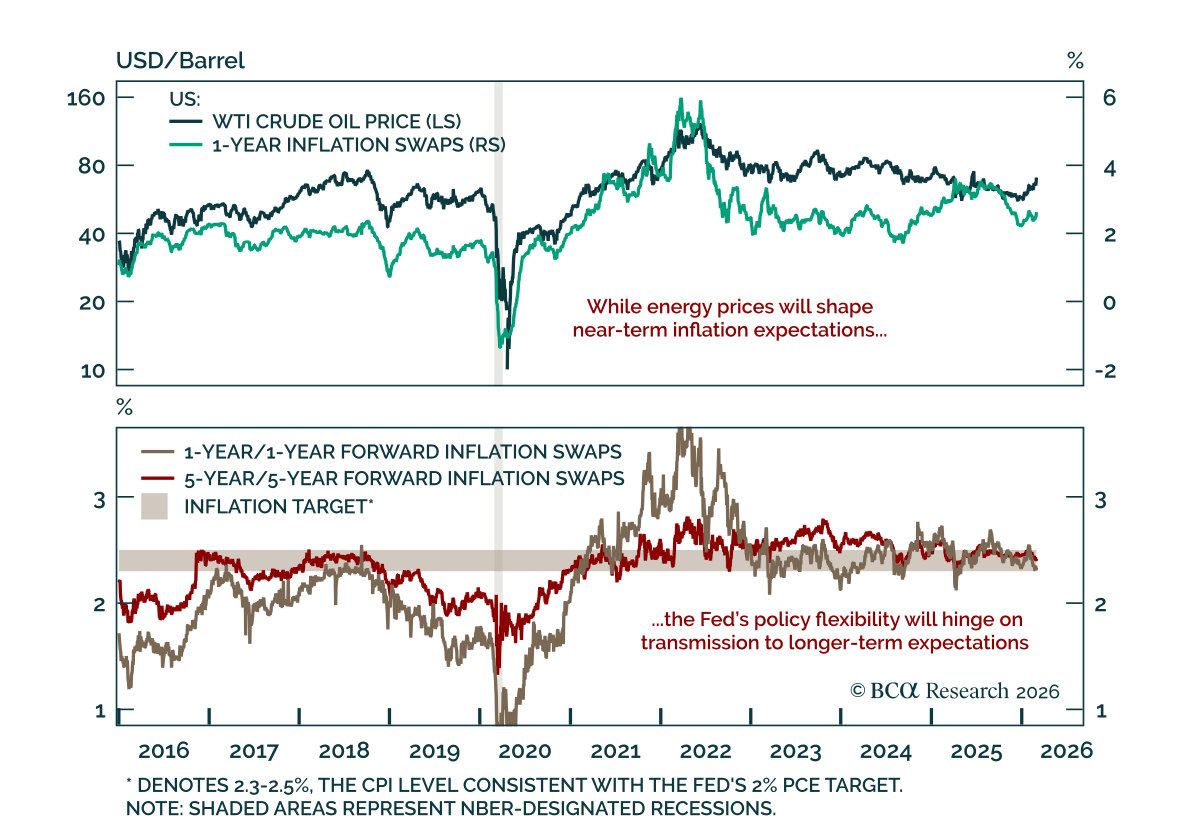
Figure 3 – A spike in oil prices may complicate the inflationary outlook for the US
The conflict arrives at an already delicate moment for the US economy. Inflation had been surprising to the upside even before hostilities broke out, and the addition of an energy price shock complicates the outlook further – see Figure 3. Higher oil and gas prices would likely keep the Federal Reserve on hold, with inflation still above target and leading indicators continuing to firm. Market pricing has already adjusted accordingly, with fewer than two cuts now priced into the curve, down from approximately three just prior to the breakout of the war.
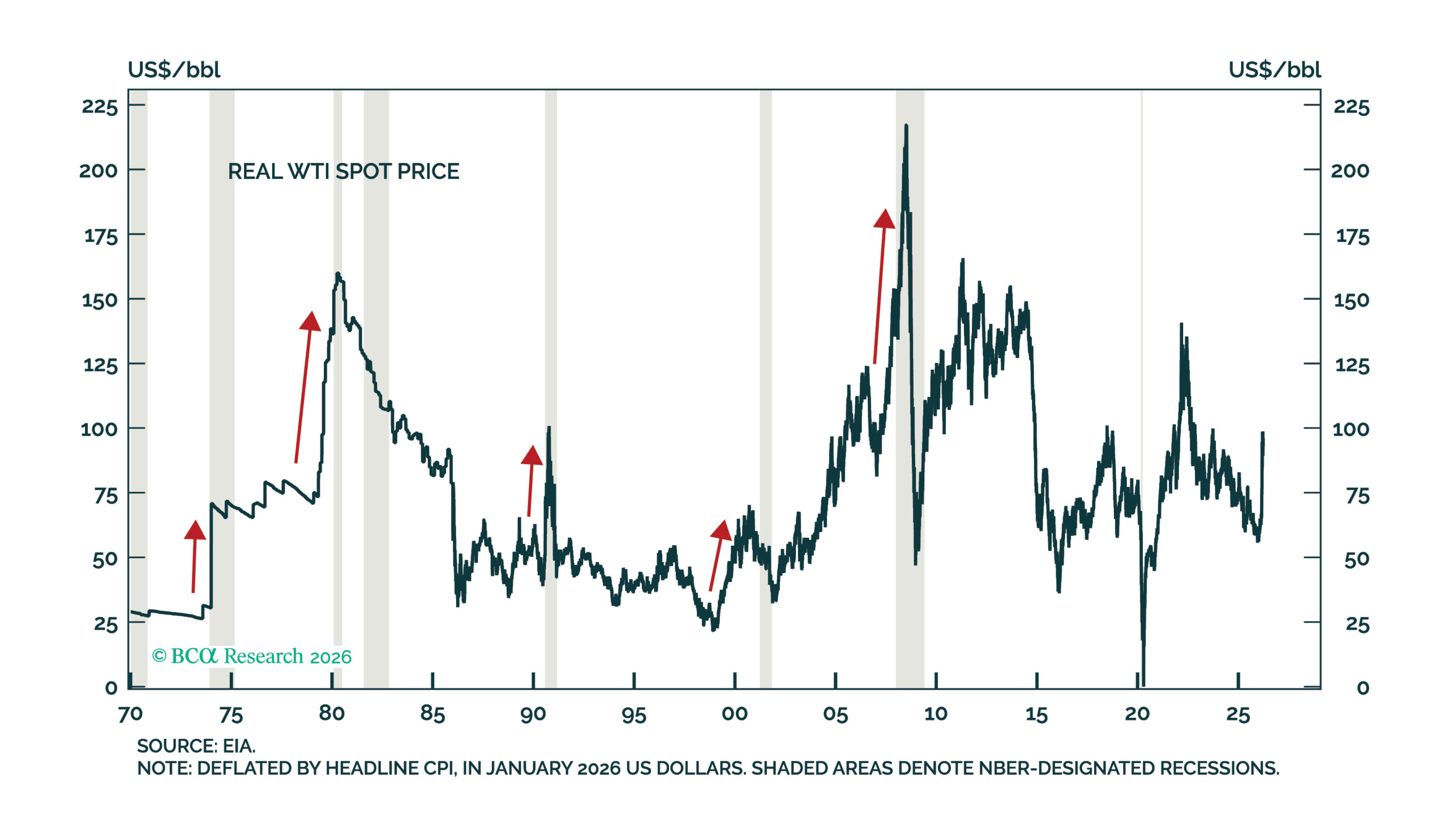
Figure 4 – Historically, elevated oil prices have usually been a signpost for a US recession
Historically, the geopolitical risk opens a cautionary tale for the US. Every US recession since 1970, with the exception of the pandemic, was preceded by a sharp rise in oil prices – see Figure 4. However, this risk may not be as prevalent today given the US has become a major exporter of crude oil mostly due to the emergence of shale oil production.
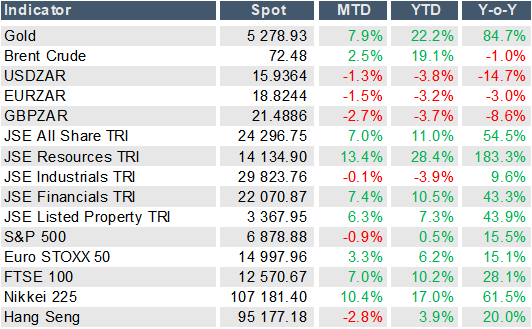
Despite all, US stocks appear to not be suffering the same magnitude of pressure compared to its international counterparts. US markets may be pricing an optimistic scenario in which President Trump declares victory in their short-term objectives, and deescalates.
Investment Takeaway
AI equities in 2026 have been one part of the US market recently under pressure, even before the Iranian conflict broke out. Interestingly, this development matches the progression we outlined in our prior newsletter of a two-phase bear market. In the event of 1) plateauing AI adoption and 2) innovation, there could be a revision in the sky-high valuations of AI frontier players. Following the Iranian conflict, the energy requirements of AI infrastructure can mean profitability issues emerge as a third component of concern if a prolonged supply constraint on global oil continues. As a result, phase one of the bear market would look like a broad rotation from tech to non-tech. We have already seen examples of this, given the resilience in US staples and real assets.
We also mentioned that given the concentration of equity ownership being linked to the AI trade, MPC risk for middle-income households will heighten, dragging consumption.
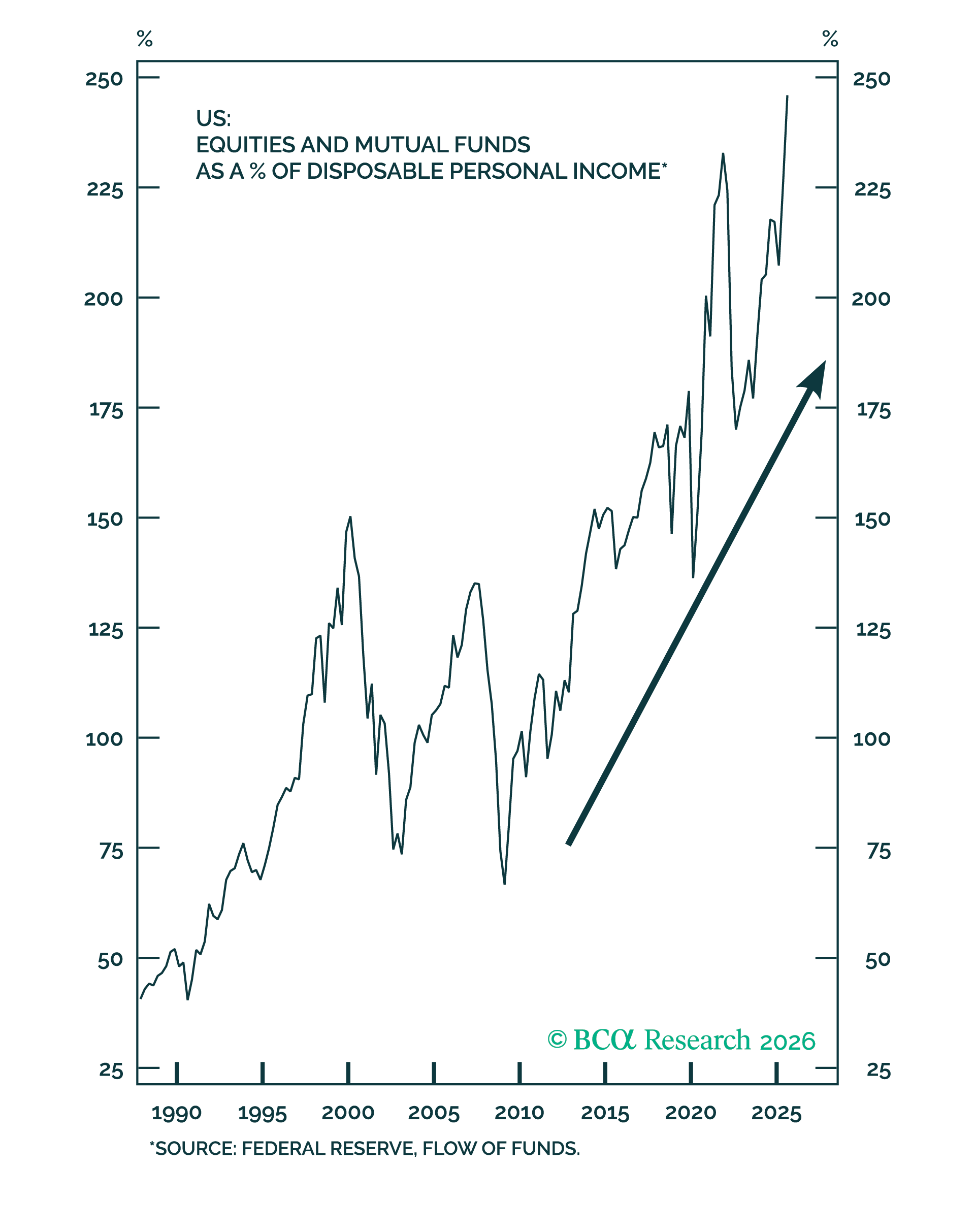
Figure 5 – Equity wealth as a % of disposable income is at an all-time high
Overall, households’ combined holdings of equities and mutual funds have climbed to nearly 2.5 times their annual disposable income, about five times their share during 1975 to 1990 – see Figure 5. Starting from this elevated base, changes in equity values exert a larger influence on consumers’ spending capacity. In the current cycle, the rise in aggregate household equity and mutual fund holdings equals roughly 25% of disposable income, compared with about 10% in each of the three preceding cycles.
If the US is hit by supply-side inflation via energy spikes, this will exacerbate the effect on the average consumer if real income growth remains stagnant, and AI-reliant equity wealth dwindles. Thus, in the event of a prolonged conflict in Iran, it may be a material influence on consumption eventually reversing, with resulting recession fears leading to a broader US equity market decline as part of the 2nd phase of the bear market.
If you are interested in finding out more about how cognisance of the macroeconomic backdrop impacts our investment decision making process, connect with Integrity Asset Management and let us help you navigate your investing journey.
For more information on this synopsis or to discuss solutions provided by Integrity Asset Management, please contact us at:
Tel: (021) 671 2112
Cell: 072 513 2684 / 084 601 1025
E-mail: nic@integrityam.co.za / herman@integrityam.co.za
Source: Bloomberg, 27 February 2026